
Don't You (Forget About Me): How to present a podcast your audience will instantly love.
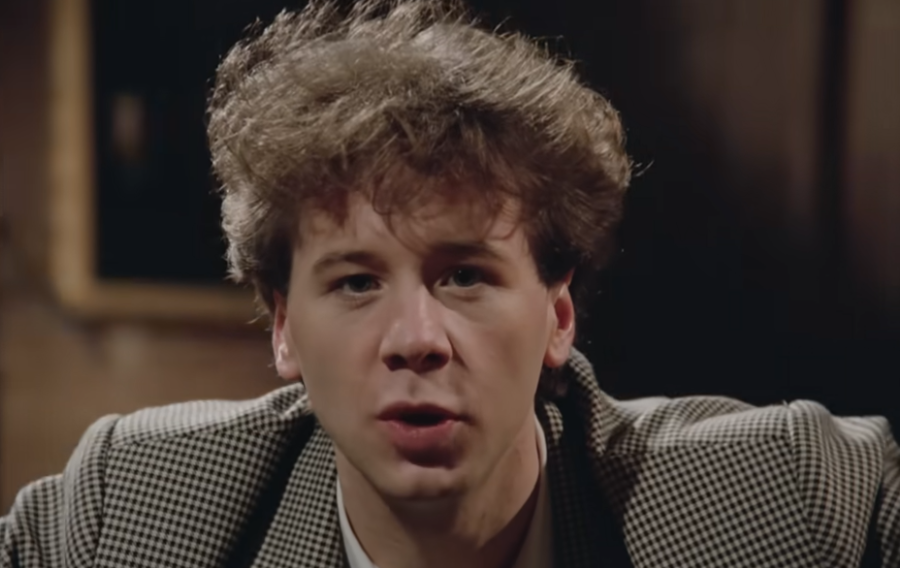
In 1985, Scottish rockers Simple Minds released arguably their biggest breakout hit. Don’t You (Forget About Me) peaked at number one on the US Billboard Charts and enjoyed massive success right here in Australia, largely thanks to that iconic fist-pump ending in the cult classic film, The Breakfast Club.
But beyond being an 80s anthem, that title holds the single most important lesson for any aspiring podcaster: Don’t forget about your audience.
It’s easy to fall into the trap. You’re in the flow, the mics are looking good, and the conversation is buzzing.
But even though you might be recording in an intimate 1-on-1 setting (maybe even in your own living room), it is critical to always keep one eye and one ear on what the third person in the room—the listener—is experiencing.
Whenever I am brainstorming ideas for a new show or episode, I always force myself to answer one question first: What are you trying to make the audience feel?
Are you trying to make them feel informed? Inspired? Humoured? Entertained? Or maybe they have a specific problem, and you are the one to solve it.
Here is how you can ensure your audience stays hooked from the first second to the final fade-out.
1. Set the Scene (The Hook)
You have to involve your audience from the very beginning. Don’t just wander into a conversation. Start with a question, a bold statement, or a story that gives them the Who, What, Where, When, Why, and How.
Be creative with it. If you don't hook them in the first 60 seconds, they’re gone.
2. The "So What?" Test
This is the harsh reality check. Ask yourself: Does anyone actually care?
Have they heard this all before? What specific value are you providing? Remember, there is a transaction happening here. Out of all the millions of things that listener could be doing—Netflix, YouTube, or just staring at the ceiling—they have chosen to give their time to your voice.
You have to respect that transaction. If you aren't providing value, you’re just making noise.
3. The Power of "You" (Keep it Intimate)
Podcasting is a strangely intimate medium. While you might be interviewing a guest across the table, you are ultimately speaking to one single important person, your ‘listener’.
That listener is rarely in a crowd. They are often alone, stuck in traffic on the Kwinana Freeway, out for a jog with headphones on, or quietly cooking dinner before the chaos of the family coming home disturbs the peace.
The quickest way to bridge that gap? When addressing your listener, use the word "You."
It sounds simple, but it is the most powerful tool in your kit.
Don't say, "Thanks to all our listeners out there." Say, "Thank you for listening." It shows respect for their time. It acknowledges that they chose to invite you into their headspace.
If you treat the microphone like a stadium PA system, you’ll lose them. If you treat it like a 1-on-1 chat, you’ll build a fan for life.
Let’s Focus on Your Audience (I’ll Handle the Tech)
I know that thinking about audience psychology is hard enough without worrying about gain levels, SD cards, and file compression.
That’s where Perthspective comes in. We bring the studio to you, clip the mics on, and handle the technical stress so you can focus entirely on that connection with your listener.
Ready to start your story?